Follow us:

Author name: hobolegal

Love Marriage Divorce Lawyer Near Me

Love Marriage Divorce Lawyer Near Me

Love marriages are increasingly common in India, but like any other relationship, they can face challenges that lead to separation or divorce. In such situations, finding a love marriage divorce lawyer near me becomes essential to navigate the legal complexities effectively. Whether the issue involves mutual consent divorce, contested proceedings, or legal complications related to inter-caste or inter-religious marriages, having an experienced divorce lawyer for love marriage cases ensures that your rights and interests are protected. Why Choose a Specialist Love Marriage Divorce Lawyer? Legal cases involving love marriages often come with added emotional and societal pressure. A skilled lawyer can help you with: Filing under the Special Marriage Act Handling family opposition or threats Divorce by mutual consent Child custody and maintenance issues Protection from domestic abuse or harassment Choosing the right love marriage divorce lawyer can provide the clarity and support you need during such difficult times. How to Find a Love Marriage Divorce Lawyer Near Me Searching for a qualified love marriage divorce lawyer near me means focusing on lawyers who specialize in both family law and cases arising from love marriages. HereтАЩs what to look for: 1. Relevant Experience Select a lawyer with proven experience in divorce after love marriage cases. They will understand the legal framework and emotional complexities involved. 2. Verified and Trusted You can connect with verified professionals through platforms like Hobo Legal, which lists trusted family law experts across India. 3. Local Availability Ensure your lawyer practices in your local family court jurisdiction and is available for in-person consultations and hearings. 4. Transparent Fees Before starting, discuss legal fees, consultation charges, and timelines. A professional lawyer will always be clear about the cost of handling your case. Legal Process for Love Marriage Divorce There are generally two routes to legally end a love marriage: Mutual Consent Divorce тАУ If both partners agree, the process is faster and less expensive. Contested Divorce тАУ If one party does not agree, the process can become more complex, requiring strong legal representation. A qualified divorce lawyer for love marriage will guide you through the appropriate legal route based on your specific situation. Find the Right Lawyer for Your Case If you are facing a legal issue in your love marriage and need expert guidance, donтАЩt delay. Visit Hobo Legal to connect with professional and experienced love marriage divorce lawyers near you. They offer personalized legal support tailored to your needs, whether you’re filing for mutual consent or fighting a contested case. Divorce in a love marriage can be emotionally and legally challenging. Finding a reliable love marriage divorce lawyer near me is the first step toward resolving your situation with dignity and legal protection. With the right legal support, you can navigate your case confidently and ensure your rights are upheld. Disclaimer:The information provided in this blog is for general informational purposes only and does not constitute legal advice or a lawyer-client relationship.

How to remove bank lien from abroad

How to remove bank lien from abroad

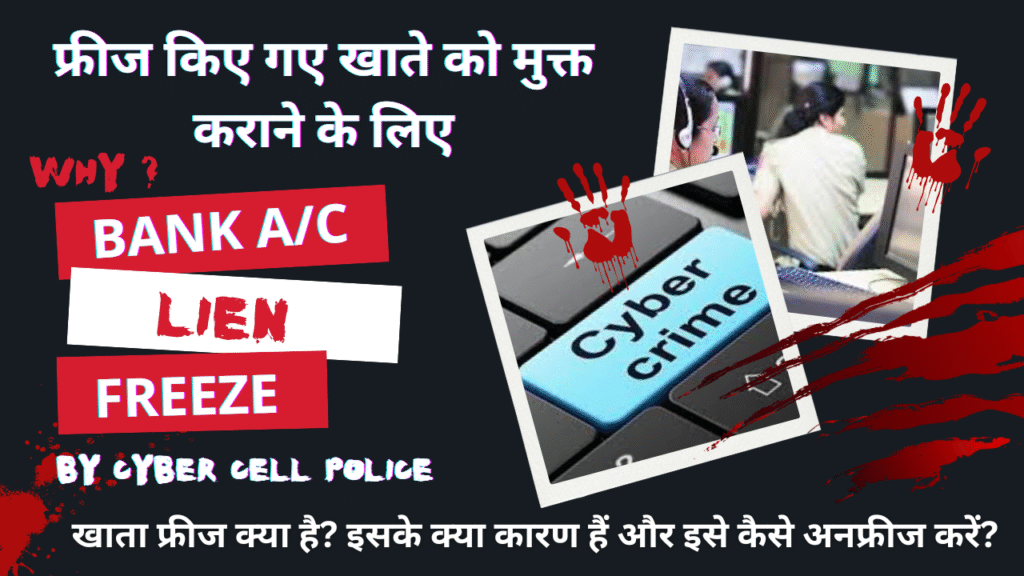
Having a bank lien (also called a hold or freeze) on your account can be stressful, especially when you are living abroad. A lien prevents you from accessing your funds and can disrupt your financial planning. Fortunately, there are legal and practical ways to get a lien removed from outside India. This blog explains the step-by-step process and important considerations. What is a Bank Lien? A bank lien is a temporary freeze or hold placed on your account by the bank. It usually occurs due to: Pending investigations by police or cybercrime authorities. Court orders or government notices. Suspicious transactions or disputes flagged by the bank. When a lien is placed, you cannot withdraw, transfer, or use funds until the bank receives clearance from the relevant authority. Step-by-Step Process to Remove a Bank Lien from Abroad Request Official Reason from the BankContact your bank immediately via email or secure banking portal. Ask for: Written reason for the lien. Copy of any police, Cyber Cell, or government order. Acknowledgement/reference number for the lien.This helps you understand the cause and prepare your documents. Obtain a Copy of the Complaint or FIRIf the lien is due to a police or cybercrime investigation, request a copy of the FIR or complaint. You can do this through the police station or cybercrime cell that issued the notice. This is necessary for your bank or lawyer to act. Collect Evidence for the TransactionPrepare proof showing that your transaction is legitimate. This may include: Bank statements with UTR or transaction IDs. P2P payment screenshots. KYC details of the other party. Invoices, receipts, or agreements.Proper documentation strengthens your case. Execute a Power of Attorney (PoA)Since you are abroad, a lawyer in India can act on your behalf through a limited Power of Attorney. You can notarize or apostille the PoA at your local consulate. The lawyer can represent you before the bank and authorities. Request NOC from Cybercrime or Police AuthoritiesIf the lien is based on an investigation, your lawyer can submit evidence and request a No Objection Certificate (NOC) to release the funds. Once the authority issues the NOC, the bank is obliged to remove the lien. Use Judicial Remedies if NeededIf the bank or authorities refuse to remove the lien despite evidence: Your lawyer can file an application under the Criminal Procedure Code (CrPC) for interim release of funds. High Courts may intervene if the lien is disproportionate or improperly applied. Parallel Banking Ombudsman ComplaintWhile legal steps proceed, you can lodge a grievance with the Banking Ombudsman or bankтАЩs grievance cell. This sometimes accelerates action without replacing formal legal procedures. Important Tips for NRIs Always send documents through official email or recorded delivery. Keep copies of all communications with the bank, police, and lawyer. Do not share sensitive information publicly; send only to authorized personnel. Ensure all evidence is clearly organized with dates, references, and transaction IDs. If only a portion of the funds is disputed, ask for partial release rather than waiting for the entire lien to be removed. Documents You Should Prepare Bank account number, branch, and IFSC. Notice from the bank showing the lien. Copy of FIR or police/Cyber Cell reference (if applicable). Transaction evidence (UTRs, receipts, KYC). Passport copy and overseas address proof. Notarized Power of Attorney for your Indian lawyer. Removing a bank lien from abroad requires a combination of proper documentation, legal representation, and communication with the bank and authorities. By following the steps above, you can: Understand the reason for the lien. Provide evidence to prove your transactions are legitimate. Obtain an NOC from the authorities. Engage a lawyer to take action locally in India. With persistence, proper documentation, and legal guidance, most liens can be successfully removed even when you are living outside India.

Understanding IndiaтАЩs 2025 Online Gaming Bill

Understanding IndiaтАЩs 2025 Online Gaming Bill: A Comprehensive Overview

India has long been a global hub for digital innovation, with the online gaming industry witnessing exponential growth in the past decade. With millions of users engaging in skill-based and chance-based games, regulatory oversight has become a pressing concern. In 2025, the Indian government introduced the Online Gaming (Regulation) Bill, 2025, aiming to create a structured legal framework for online gaming across the country. This blog explores the key aspects, implications, and controversies surrounding this landmark legislation. Background of the Online Gaming Bill The online gaming industry in India has faced regulatory ambiguity for years. While games of skill like chess and rummy were considered legal under certain state laws, games involving betting and gambling often fell into a gray area, creating challenges for both developers and players. The 2025 Online Gaming Bill seeks to address these issues by clearly distinguishing between games of skill and games of chance, setting a legal framework for regulation and licensing. Key Features of the 2025 Bill Definition and CategorizationThe bill classifies online games into two broad categories: Skill-based games: Games where the outcome predominantly depends on the playerтАЩs skill rather than luck. Chance-based games: Games where outcomes are mostly determined by chance or random number generators. Licensing and Regulatory AuthorityThe bill mandates that all online gaming operators obtain a license from a regulatory authority to operate legally in India. This includes requirements for operational transparency, financial reporting, and adherence to fair-play standards. Consumer Protection MeasuresPlayer safety and transparency are emphasized through measures such as: Age verification to prevent underage participation. Limits on deposits and wagers to discourage problem gambling. Mechanisms for grievance redressal and dispute resolution. Taxation and Revenue ReportingThe bill introduces specific guidelines for taxation of online gaming revenue, ensuring proper reporting of earnings by both operators and professional players. States may also levy their own gaming taxes in compliance with the central framework. Technology and Security StandardsOnline gaming platforms are required to adopt robust security protocols, including data encryption, anti-fraud measures, and monitoring systems to prevent money laundering. Implications for the Industry The bill is expected to bring multiple benefits to the Indian online gaming ecosystem: Legitimacy for operators: Clear regulations will reduce the risk of arbitrary shutdowns and legal disputes. Investor confidence: With a regulated environment, investors are more likely to fund Indian gaming startups. Player trust: Gamers will have access to safer, transparent platforms with grievance redressal mechanisms. Revenue growth: Legalization and regulation may boost government revenue through taxes and licensing fees. Controversies and Concerns Despite its intentions, the 2025 Online Gaming Bill has faced criticism: Impact on small operators: Licensing costs and compliance requirements may be challenging for startups. Skill vs. chance ambiguity: Determining whether a game qualifies as skill-based can be complex, leading to legal disputes. Privacy concerns: The requirement for personal data verification may raise data privacy issues. The India Online Gaming Bill, 2025 represents a significant step towards formalizing the rapidly expanding online gaming sector. By establishing clear guidelines for licensing, taxation, and player protection, the government aims to create a safer and more accountable gaming environment. However, successful implementation will require careful balancing of regulation with innovation, ensuring that players, developers, and investors all benefit from a fair and transparent system.

Best Divorce Lawyer in Greater Noida

Best Divorce Lawyer in Greater Noida тАФ HoBo Legal

Divorce proceedings are emotionally and legally complex. When lives, finances, and childrenтАЩs welfare are at stake, you need a legal partner who combines deep expertise with compassion, strategy, and results. In Greater Noida and the wider Delhi NCR region, HoBo Legal has built a reputation for delivering strong, clientтАСfirst solutions in family law тАФ making them a top choice for those seeking the best divorce lawyer in Greater Noida. In this article, weтАЩll explain what makes HoBo Legal stand out, the services they offer in divorce and family law, how divorce works in India, and why choosing the right advocate matters. HoBo Legal is one of the leading law firms in the Delhi NCR region, offering a wide spectrum of legal services with a commitment to ethics, effectiveness, and transparency. Their core legal services include: Criminal law: bail, anticipatory bail, FIR quashing, trial defense Civil litigation: property disputes, money recovery, injunctions Family law: divorce, child custody, maintenance, domestic violence Cyber law, corporate law, consumer disputes, IPR/trademark support HoBo Legal emphasizes the following values: Client-first approach тАФ they prioritize client interests, maintain confidentiality, and pursue resultтАСoriented strategies Transparent fees тАФ affordable and clear legal fees without hidden costs Strong legal strategy тАФ combining courtroom strength with legal insight, tailored to Delhi NCRтАЩs legal climate Because of these strengths, HoBo Legal is well positioned to serve clients in Greater Noida seeking high-calibre legal support in divorce and family law. Divorce & Family Law Services by HoBo Legal in Greater Noida If you engage HoBo Legal for family law matters in Greater Noida, here are the typical services they provide: Mutual consent divorce тАФ when both spouses agree to part ways amicably Contested divorce тАФ when parties disagree on grounds or conditions Spousal maintenance / alimony тАФ securing financial support for either spouse Child custody & visitation rights тАФ both physical and legal custody Child support / maintenance Domestic violence / protection orders (DV cases) Mediation / alternative dispute resolution (ADR) тАФ negotiations, settlements Legal drafting & court pleadings тАФ petitions, affidavits, evidence handling Appeals & enforcement тАФ handling higher court appeals or execution HoBo LegalтАЩs strength in multiple legal domains also gives them advantage in handling cases that overlap jurisdictions or involve multiple legal angles. Why Choose HoBo Legal as the Best Divorce Lawyer in Greater Noida 1. Proven multiтАСdomain experienceBecause the firm handles criminal, civil, cyber, corporate, and family law, they can tackle complex divorce cases involving cross issues. 2. Local NCR expertiseThey understand how courts in NCR operate тАФ being familiar with judges, procedures, local practices, and timelines. 3. ClientтАСcentric & ethical approachHoBo Legal is transparent and ethical, with a focus on protecting client confidentiality and interests. 4. Affordable and transparent fee structureThey advertise clear and affordable legal fees. 5. Reputation & trustHoBo has received positive client feedback for responsiveness and legal support. 6. Strong litigation & alternative resolution skillsThey combine court litigation strength with mediation skills, enabling negotiation or settlement where appropriate. Divorce Process in Greater Noida / NCR тАФ What to Expect While specific steps depend on your facts, hereтАЩs a general outline: Initial Consultation тАФ Discuss case facts, legal strategy, and fee estimates Drafting & Filing Petition тАФ Prepare mutual consent or contested divorce petitions Response / Written Statement тАФ Opposing spouse responds or contests Discovery, Evidence & Pleadings тАФ Documents, affidavits, witness lists, crossтАСexamination Interim Orders тАФ Temporary maintenance, alimony, custody, protection orders Final Hearing & Decree тАФ Court hears arguments, evidence, and grants divorce Appeal / Enforcement тАФ Handling higher court appeals or enforcing orders HoBo Legal can support you at every stage, ensuring timely filing, strong pleadings, persuasive evidence, and adherence to procedure. Tips for Choosing a Divorce Lawyer in Greater Noida Verify their track record in family law Look for specialization & experience in your specific issue Ask about transparency of fees and cost estimates Ensure communication & availability Check for ethical practices & confidentiality Prefer firms familiar with NCR courts and procedures HoBo Legal appears to satisfy many of these criteria in their portrayal and client feedback. If you are seeking a тАЬbest divorce lawyer in Greater Noida,тАЭ HoBo Legal is a strong contender thanks to their multidisciplinary strength, local NCR knowledge, clientтАСcentered approach, and reputation in the legal community. Divorce is a major life step; you deserve a lawyer who is not just technically strong but also empathetic, transparent, and committed to your interests. Disclaimer:This blog is for informational purposes only and does not constitute legal advice. Always consult a qualified attorney before making any legal decisions.

Types of Bail in India

Types of Bail in India тАУ Explained in Detail

Bail is a legal provision that allows an accused person to temporarily release from custody while the investigation or trial is ongoing. The purpose of bail is to ensure that a person is not unnecessarily detained and can defend themselves while the case proceeds. What is Bail? Bail is a legal arrangement in which the accused is released from custody by providing a guarantee (surety) to the court that they will appear for trial and not interfere with the investigation. Types of Bail in India 1. Regular Bail Definition: Regular bail is granted by the court after considering the merits of the case. Applicable Sections: Section 437 CrPC: Bail for offenses punishable with imprisonment of less than 7 years. Section 439 CrPC: Bail for persons arrested by police or in judicial custody. Purpose: Allows accused to stay free during the trial. 2. Interim Bail / Temporary Bail Definition: Interim bail is temporary relief granted for a short period, usually before the final bail hearing. Applicable Sections: Section 437 CrPC (for police custody) Section 439 CrPC (by High Court or Sessions Court discretion) Purpose: Helps the accused in urgent personal matters or medical emergencies. Duration: Usually 7тАУ30 days; can be extended by the court. 3. Anticipatory Bail Definition: Anticipatory bail is sought before an arrest is made. Applicable Section: Section 438 CrPC Purpose: Protects a person from arrest in anticipation of a non-bailable offense. Eligibility: Any person who fears arrest for non-bailable offenses can apply. Conditions: Court may impose restrictions, such as reporting to police or not leaving the jurisdiction. 4. Interim / Directional Bail by Higher Courts Definition: In some cases, the High Court or Supreme Court may grant special bail directions. Applicable Sections: Article 226 (High Court writ jurisdiction) Article 32 (Supreme Court fundamental rights protection) Purpose: Provides legal remedy when lower courts fail or in case of constitutional rights violation. 5. Bail in Cyber Crime Cases Special Considerations: Courts carefully consider digital evidence. Sections under IT Act or IPC 66C/66D/420 are often invoked. Advocate assistance is often crucial due to complex investigations. Important Sections in CrPC Regarding Bail (BNSS Reference) Section Type of Bail Key Details 437 Regular Bail Offenses < 7 years; discretionary by court 438 Anticipatory Bail Applied before arrest in non-bailable cases 439 Bail for Police / Judicial Custody High Court / Sessions Court discretion; can grant temporary/interim bail Key Points Bail is a right for non-bailable offenses, but courts have discretion. Surety or personal bond is usually required. Violation of bail conditions can lead to cancellation. Interim or anticipatory bail is a temporary relief to protect personal liberty. рднрд╛рд░рдд рдореЗрдВ рдЬрдорд╛рдирдд (Bail) рдЬрдорд╛рдирдд рдПрдХ рдХрд╛рдиреВрдиреА рдкреНрд░рд╛рд╡рдзрд╛рди рд╣реИ, рдЬрд┐рд╕рдХреЗ рддрд╣рдд рдЖрд░реЛрдкреА рд╡реНрдпрдХреНрддрд┐ рдЕрд╕реНрдерд╛рдпреА рд░реВрдк рд╕реЗ рд╣рд┐рд░рд╛рд╕рдд рд╕реЗ рдореБрдХреНрдд рд╣реЛ рд╕рдХрддрд╛ рд╣реИ, рдЬрдм рддрдХ рдЬрд╛рдВрдЪ рдпрд╛ рдореБрдХрджрдорд╛ рдЪрд▓ рд░рд╣рд╛ рд╣реИред рдЗрд╕рдХрд╛ рдЙрджреНрджреЗрд╢реНрдп рдпрд╣ рд╕реБрдирд┐рд╢реНрдЪрд┐рдд рдХрд░рдирд╛ рд╣реИ рдХрд┐ рд╡реНрдпрдХреНрддрд┐ рдЕрдирд╛рд╡рд╢реНрдпрдХ рд░реВрдк рд╕реЗ рд╣рд┐рд░рд╛рд╕рдд рдореЗрдВ рди рд░рд╣реЗ рдФрд░ рдиреНрдпрд╛рдпрд┐рдХ рдкреНрд░рдХреНрд░рд┐рдпрд╛ рдореЗрдВ рдЕрдкрдиреА рд░рдХреНрд╖рд╛ рдХрд░ рд╕рдХреЗред 1. рд╕рд╛рдорд╛рдиреНрдп / рдирд┐рдпрдорд┐рдд рдЬрдорд╛рдирдд (Regular Bail) рдкрд░рд┐рднрд╛рд╖рд╛: рдпрд╣ рдЬрдорд╛рдирдд рдореБрдХрджрдореЗ рдХреА рдЧрдВрднреАрд░рддрд╛ рдХреЛ рджреЗрдЦрдХрд░ рдЕрджрд╛рд▓рдд рджреНрд╡рд╛рд░рд╛ рджреА рдЬрд╛рддреА рд╣реИред рдкреНрд░рд╛рд╡рдзрд╛рди: рдзрд╛рд░рд╛ 437 CrPC: рд╕рд╛рдд рд╕рд╛рд▓ рд╕реЗ рдХрдо рд╕рдЬрд╛ рд╡рд╛рд▓реЗ рдЕрдкрд░рд╛рдз рдХреЗ рд▓рд┐рдПред рдзрд╛рд░рд╛ 439 CrPC: рдкреБрд▓рд┐рд╕ рдпрд╛ рдиреНрдпрд╛рдпрд┐рдХ рд╣рд┐рд░рд╛рд╕рдд рдореЗрдВ рдмрдВрдж рд╡реНрдпрдХреНрддрд┐ рдХреЗ рд▓рд┐рдПред рдЙрджреНрджреЗрд╢реНрдп: рдЖрд░реЛрдкреА рдХреЛ рдореБрдХрджрдореЗ рдХреЗ рджреМрд░рд╛рди рд╕реНрд╡рддрдВрддреНрд░ рд░рд╣рдиреЗ рдХреА рдЕрдиреБрдорддрд┐ред 2. рдЕрдВрддрд░рд┐рдо / рдЕрд╕реНрдерд╛рдпреА рдЬрдорд╛рдирдд (Interim / Temporary Bail) рдкрд░рд┐рднрд╛рд╖рд╛: рдЕрдВрддрд░рд┐рдо рдЬрдорд╛рдирдд рд╕рдВрдХреНрд╖рд┐рдкреНрдд рдЕрд╡рдзрд┐ рдХреЗ рд▓рд┐рдП рджреА рдЬрд╛рддреА рд╣реИ, рдЖрдо рддреМрд░ рдкрд░ рдЕрдВрддрд┐рдо рдЬрдорд╛рдирдд рд╕реБрдирд╡рд╛рдИ рд╕реЗ рдкрд╣рд▓реЗред рдкреНрд░рд╛рд╡рдзрд╛рди: рдзрд╛рд░рд╛ 437 CrPC рдзрд╛рд░рд╛ 439 CrPC (рд╣рд╛рдИ рдХреЛрд░реНрдЯ / рд╕рддреНрд░ рдиреНрдпрд╛рдпрд╛рд▓рдп) рдЙрджреНрджреЗрд╢реНрдп: рдореЗрдбрд┐рдХрд▓ рдпрд╛ рд╡реНрдпрдХреНрддрд┐рдЧрдд рдЖрдкрд╛рдд рд╕реНрдерд┐рддрд┐ рдореЗрдВ рд░рд╛рд╣рдд рджреЗрдирд╛ред рдЕрд╡рдзрд┐: рдЖрдо рддреМрд░ рдкрд░ 7тАУ30 рджрд┐рдиред 3. рдкреВрд░реНрд╡-рдЬрдорд╛рдирдд (Anticipatory Bail) рдкрд░рд┐рднрд╛рд╖рд╛: рдЧрд┐рд░рдлреНрддрд╛рд░реА рд╕реЗ рдкрд╣рд▓реЗ рдкреВрд░реНрд╡-рдЬрдорд╛рдирдд рдорд╛рдВрдЧреА рдЬрд╛рддреА рд╣реИред рдкреНрд░рд╛рд╡рдзрд╛рди: рдзрд╛рд░рд╛ 438 CrPC рдЙрджреНрджреЗрд╢реНрдп: рдЧреИрд░-рдЬрдорд╛рдирддреА рдЕрдкрд░рд╛рдз рдореЗрдВ рдЧрд┐рд░рдлреНрддрд╛рд░реА рд╕реЗ рдмрдЪрд╛рдирд╛ред рд╢рд░реНрддреЗрдВ: рдкреБрд▓рд┐рд╕ рдХреЗ рдкрд╛рд╕ рд░рд┐рдкреЛрд░реНрдЯ рдХрд░рдирд╛ рдпрд╛ рдиреНрдпрд╛рдпрдХреНрд╖реЗрддреНрд░ рди рдЫреЛрдбрд╝рдирд╛ред 4. рдЙрдЪреНрдЪ рдиреНрдпрд╛рдпрд╛рд▓рдп / рд╕рд░реНрд╡реЛрдЪреНрдЪ рдиреНрдпрд╛рдпрд╛рд▓рдп рджреНрд╡рд╛рд░рд╛ рдирд┐рд░реНрджреЗрд╢рд┐рдд рдЬрдорд╛рдирдд рдкрд░рд┐рднрд╛рд╖рд╛: рдХреБрдЫ рдорд╛рдорд▓реЛрдВ рдореЗрдВ, рд╣рд╛рдИ рдХреЛрд░реНрдЯ рдпрд╛ рд╕реБрдкреНрд░реАрдо рдХреЛрд░реНрдЯ рд╡рд┐рд╢реЗрд╖ рдЬрдорд╛рдирдд рдирд┐рд░реНрджреЗрд╢ рдЬрд╛рд░реА рдХрд░ рд╕рдХрддреЗ рд╣реИрдВред рдкреНрд░рд╛рд╡рдзрд╛рди: рдЕрдиреБрдЪреНрдЫреЗрдж 226 тАУ рд╣рд╛рдИ рдХреЛрд░реНрдЯ рдЕрдиреБрдЪреНрдЫреЗрдж 32 тАУ рд╕реБрдкреНрд░реАрдо рдХреЛрд░реНрдЯ рдЙрджреНрджреЗрд╢реНрдп: рдЬрдм рдирд┐рдЪрд▓реА рдЕрджрд╛рд▓рдд рдЕрд╕рдлрд▓ рд╣реЛ рдпрд╛ рд╕рдВрд╡реИрдзрд╛рдирд┐рдХ рдЕрдзрд┐рдХрд╛рд░реЛрдВ рдХрд╛ рдЙрд▓реНрд▓рдВрдШрди рд╣реЛред 5. рд╕рд╛рдЗрдмрд░ рдХреНрд░рд╛рдЗрдо рдорд╛рдорд▓реЛрдВ рдореЗрдВ рдЬрдорд╛рдирдд рд╡рд┐рд╢реЗрд╖ рдмрд╛рддреЗрдВ: рдбрд┐рдЬрд┐рдЯрд▓ рд╕рдмреВрддреЛрдВ рдХреЛ рдзреНрдпрд╛рди рдореЗрдВ рд░рдЦрд╛ рдЬрд╛рддрд╛ рд╣реИред рдзрд╛рд░рд╛ 66C/66D IT Act рдФрд░ IPC 420 рд▓рд╛рдЧреВ рд╣реЛ рд╕рдХрддреА рд╣реИрдВред рдЕрдиреБрднрд╡реА рд╕рд╛рдЗрдмрд░ рдХреНрд░рд╛рдЗрдо рд╡рдХреАрд▓ рдХреА рдорджрдж рдЖрд╡рд╢реНрдпрдХ рд╣реЛрддреА рд╣реИред рдкреНрд░рдореБрдЦ CrPC рдзрд╛рд░рд╛рдПрдБ (BNSS рд╕рдВрджрд░реНрдн) рдзрд╛рд░рд╛ рдЬрдорд╛рдирдд рдХрд╛ рдкреНрд░рдХрд╛рд░ рд╡рд┐рд╡рд░рдг 437 рдирд┐рдпрдорд┐рдд рдЬрдорд╛рдирдд 7 рд╕рд╛рд▓ рд╕реЗ рдХрдо рд╕рдЬрд╛ рд╡рд╛рд▓реЗ рдЕрдкрд░рд╛рдз; рдЕрджрд╛рд▓рдд рдХрд╛ рд╡рд┐рд╡реЗрдХрд╛рдзрд┐рдХрд╛рд░ 438 рдкреВрд░реНрд╡-рдЬрдорд╛рдирдд рдЧреИрд░-рдЬрдорд╛рдирддреА рдЕрдкрд░рд╛рдз рдореЗрдВ рдЧрд┐рд░рдлреНрддрд╛рд░реА рд╕реЗ рдкрд╣рд▓реЗ рдЖрд╡реЗрджрди 439 рдкреБрд▓рд┐рд╕ / рдиреНрдпрд╛рдпрд┐рдХ рд╣рд┐рд░рд╛рд╕рдд рдХреА рдЬрдорд╛рдирдд рд╣рд╛рдИ рдХреЛрд░реНрдЯ / рд╕рддреНрд░ рдиреНрдпрд╛рдпрд╛рд▓рдп рдХрд╛ рд╡рд┐рд╡реЗрдХ; рдЕрдВрддрд░рд┐рдо рдЬрдорд╛рдирдд рд╕рдВрднрд╡ рднрд╛рд░рдд рдореЗрдВ рдЬрдорд╛рдирдд рдХреЗ рдкреНрд░рдХрд╛рд░ рдЕрд▓рдЧ-рдЕрд▓рдЧ рдкрд░рд┐рд╕реНрдерд┐рддрд┐рдпреЛрдВ рдореЗрдВ рд▓рд╛рдЧреВ рд╣реЛрддреЗ рд╣реИрдВред рдкреВрд░реНрд╡-рдЬрдорд╛рдирдд рдФрд░ рдЕрдВрддрд░рд┐рдо рдЬрдорд╛рдирдд рддреБрд░рдВрдд рд░рд╛рд╣рдд рджреЗрддреА рд╣реИрдВ, рдЬрдмрдХрд┐ рдирд┐рдпрдорд┐рдд рдЬрдорд╛рдирдд рдкреВрд░реЗ рдореБрдХрджрдореЗ рдХреЗ рджреМрд░рд╛рди рд╕реНрд╡рддрдВрддреНрд░рддрд╛ рд╕реБрдирд┐рд╢реНрдЪрд┐рдд рдХрд░рддреА рд╣реИред Disclaimer: This blog is for informational purposes only and should not be construed as legal advice. We are not engaging in any advertisement or solicitation through this content. For immediate assistance, call the National Cyber Crime Helpline (1930) or file a complaint at www.cybercrime.gov.in.

Scroll to Top