Follow us:

Author name: hobolegal

Cyber Crime Lawyer

Cyber Crime Lawyer | Online Scam | USDT | P2P | Internet Fraud ?

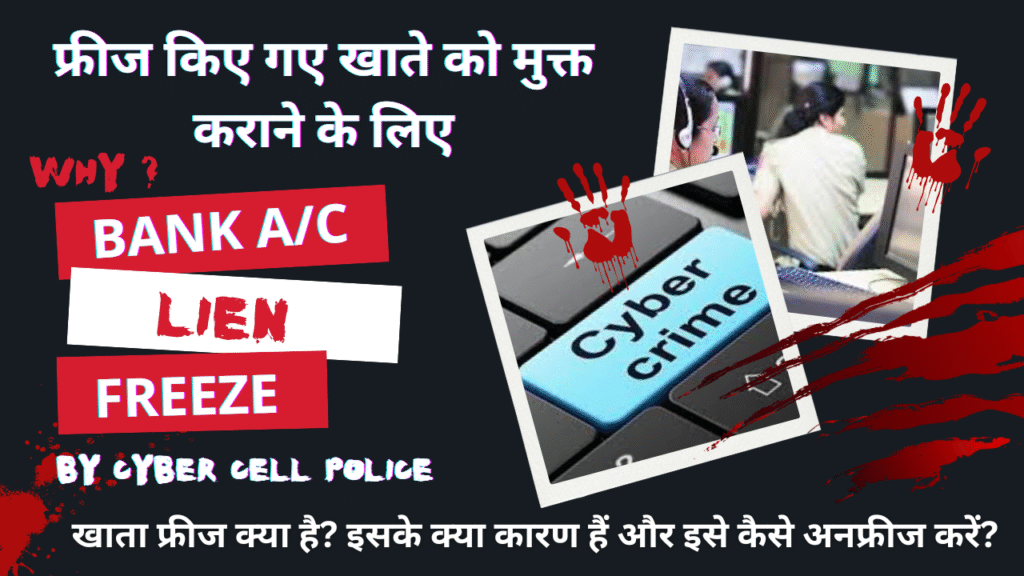
Cyber crime has emerged as one of the most serious legal challenges in India due to rapid digitalization. Gautam Buddh Nagar, which includes Noida, Noida Extension, and Greater Noida, has witnessed a significant rise in cyber crime complaints involving online fraud, digital payments, cryptocurrency transactions, gaming apps, and social media misuse. Many individuals are not only victims of cyber fraud but are also facing legal issues such as bank account freezes, lien marking, and police inquiries due to indirect involvement in cyber transactions. This blog provides a complete legal guide on cyber crime, online scams, bank account freeze issues, legal remedies, reporting mechanisms, and cyber safety. What Is Cyber Crime? Cyber crime refers to any illegal activity committed using computers, mobile phones, internet services, or digital platforms. These crimes may involve financial loss, identity theft, data misuse, online harassment, or unauthorized access to digital systems. In India, cyber crimes are governed primarily under: Information Technology Act, 2000 Indian Penal Code (IPC) / Bharatiya Nyaya Sanhita (BNS) Criminal Procedure Code (CrPC) Due to the technical and digital nature of these offences, cyber crime cases require specialized legal handling by experienced cyber crime attorneys. What Is an Online Scam? An online scam is a form of cyber crime where fraudsters deceive individuals or businesses through digital platforms to steal money or sensitive information. Scammers often use fake profiles, websites, apps, and false promises to gain trust. Common Online Scams: Online investment and trading scams Job and work-from-home fraud Online gaming and betting app fraud Loan and credit card scams Social media and romance scams UPI, OTP, and phishing scams Types of Cyber Crime Cyber crimes can be broadly classified into the following categories: Financial Cyber Crimes Online investment fraud UPI, net banking, and credit card fraud Cryptocurrency and P2P transaction fraud Online gaming and betting fraud Identity Theft and Impersonation Fake social media profiles Misuse of Aadhaar, PAN, or KYC details Email and account hacking Cyber Harassment and Blackmail Sextortion and video call blackmail Cyber stalking Threatening messages and emails Online Defamation False allegations on social media Morphed images or videos Reputation damage Data Theft and Privacy Violations Hacking of personal or corporate data Unauthorized access to systems Data leakage Employment and App-Based Fraud Fake job offers Overseas employment scams Fraudulent mobile apps and websites Why Bank Accounts Go on Lien, Hold, or Freeze Bank account lien or freeze is one of the most common issues arising from cyber crime investigations in Gautam Buddh Nagar. Common Reasons: Money received from an account linked to cyber fraud P2P cryptocurrency transactions connected with scam funds Complaint filed by another cyber crime victim naming your account Suspicious or high-value digital transactions Instructions issued by Cyber Crime Cell, Police, or Court Banks act strictly on written instructions from law enforcement agencies and cannot remove a freeze without authorization. Difference Between Lien, Hold, and Freeze Lien: A specific amount is blocked Debit Hold: Withdrawal and fund transfer restricted Complete Freeze: No debit or credit transactions allowed What to Do If You Are in Layer 1, 2, 3, 4, or 5 In cyber crime investigations, accounts are often classified into layers based on the flow of funds. Layer 1 Direct recipient of fraud money. High legal risk. Immediate legal action required. Layer 2 Received money from Layer 1. Account usually frozen for verification. Layer 3 Indirect recipient, often in business or P2P transactions. Layer 4 Account used only for onward transfer. Layer 5 Minimal or technical linkage, often cleared after explanation. At every layer, submission of documents, transaction proof, and cooperation with investigation are essential. A cyber crime attorney ensures protection from wrongful implication. Application to Take NOC from Cyber Crime Cell Banks generally require a No Objection Certificate (NOC) from the Cyber Crime Cell to restore frozen accounts. Application for NOC ToThe Station House OfficerCyber Crime Cell, Gautam Buddh Nagar, Uttar Pradesh Subject: Request for issuance of NOC for bank account Respected Sir/Madam, I respectfully submit that my bank account was frozen during a cyber crime inquiry. I have cooperated fully with the investigation and no adverse material is pending against me. The concerned bank has informed me that an NOC from the Cyber Crime Cell is required to restore normal operation of my account. I request your good office to kindly issue the NOC at the earliest. Yours sincerelyName: __________Mobile No.: __________Address: __________Date & Place: Gautam Buddh Nagar Latest Trending Cyber Crimes (2025–2026) Fake trading and cryptocurrency platforms P2P transaction and mule account fraud Online gaming withdrawal scams Sextortion through video calls Fake job and overseas employment fraud Loan app harassment and data misuse Types of Bail in Cyber Crime Cases Bail in cyber crime cases depends on the nature of offence, amount involved, and stage of investigation. Anticipatory Bail Applied when a person apprehends arrest in a cyber crime case. Regular Bail Filed after arrest before Magistrate or Sessions Court. Interim Bail Temporary bail granted until final hearing. Default Bail Granted when the charge sheet is not filed within statutory time. Courts may impose conditions such as cooperation, restriction on transactions, or surrender of passport. Application for Lien, Hold, or Freeze Removal Application for Unfreeze of Bank Account and Lien Removal ToThe Investigating OfficerCyber Crime Cell, Gautam Buddh Nagar Subject: Application for unfreezing of bank account and removal of lien Respected Sir/Madam, My bank account has been placed under lien/debit freeze in connection with a cyber crime investigation. Account Holder Name: __________Bank Name: __________Account Number: __________ I submit that I am not involved in any cyber fraud. The transaction linked to my account is genuine. I request verification of records and issuance of directions to the bank for unfreezing my account and removing the lien. Yours sincerelyName & SignatureDate & Place: Gautam Buddh Nagar How to Recover Scam Money Recovery depends on timely reporting and tracing of funds. Steps: Call 1930 immediately Report the complaint on cybercrime.gov.in Submit bank statements and transaction details Follow up with Cyber Crime Cell Seek court directions if required


How to Reply to an Income Tax Notice in India

How to Reply to an Income Tax Notice in India ?

How to Reply to an Income Tax Notice in India – Step-by-Step Guide Receiving an Income Tax Notice can be stressful, but it does not always mean you have done something wrong. In most cases, the notice is issued to seek clarification, missing details, or additional documents. Knowing how to reply correctly and on time is very important to avoid penalties or legal issues. In this blog, we explain how to reply to an Income Tax notice online, types of notices, required documents, and common mistakes to avoid. What Is an Income Tax Notice? An Income Tax Notice is an official communication sent by the Income Tax Department of India under the Income Tax Act, 1961. It may be issued for reasons such as: Mismatch in income details Non-filing or late filing of ITR High-value transactions Incorrect deductions claimed Scrutiny assessment Demand for tax payment Common Types of Income Tax Notices 1. Section 139(9) – Defective Return Issued when the ITR is incomplete or has errors. 2. Section 142(1) – Inquiry Before Assessment Asks for additional information or documents. 3. Section 143(1) – Intimation Notice Sent after processing the ITR, showing refund, demand, or no demand. 4. Section 143(2) – Scrutiny Notice Issued for detailed verification of income and expenses. 5. Section 148 – Income Escaped Assessment Issued when income has not been disclosed. How to Reply to Income Tax Notice Online (Step-by-Step) Step 1: Login to Income Tax Portal Visit 👉 https://www.incometax.gov.in Login using: PAN Password Captcha Step 2: Go to “e-Proceedings / Pending Actions” Click on Pending Actions Select e-Proceedings Choose the notice you received Step 3: Read the Notice Carefully Check: Section under which notice is issued Assessment year Due date for reply Required documents Step 4: Prepare Your Reply Collect documents such as: Form 16 / 16A Bank statements AIS / TIS Investment proofs Salary slips Capital gain details Write a clear and truthful explanation. Step 5: Submit Reply Online Upload documents (PDF format) Add explanation in text box Verify using Aadhaar OTP / DSC / EVC Submit successfully How to Reply to Income Tax Notice Offline In rare cases where offline reply is allowed: Draft a written reply Attach self-attested documents Submit to the Income Tax Office mentioned in the notice Important Tips While Replying to Income Tax Notice ✔ Reply before the due date✔ Provide accurate information only✔ Do not ignore the notice✔ Keep acknowledgment and reference number✔ Seek professional help if notice is complex What Happens If You Don’t Reply? Failure to reply may lead to: Penalty under Income Tax Act Best judgment assessment Tax demand with interest Prosecution in serious cases Can You Revise Your Reply? Yes, in some cases, you can submit a revised response before final assessment. Always check portal status. When Should You Consult a Tax Expert or Lawyer? You should seek professional help if: Notice is under Section 148 or 143(2) High tax demand is raised Income involves crypto, foreign assets, or business You are unsure about documentation Receiving an Income Tax notice is common and manageable if handled properly. Understanding how to reply to an Income Tax notice online ensures compliance and protects you from unnecessary penalties. Always respond on time, keep records, and consult experts when required.

Uncategorized

Received Income Tax Message ?

Received Income Tax Message With Last Date 31 December for ITR – What Should You Do? Many taxpayers in India receive SMS or email messages from the Income Tax Department reminding them to file their Income Tax Return (ITR) before 31 December. Such messages can be confusing and stressful, especially if you are unsure whether you are required to file or if you have already filed earlier. This blog explains why you received the message, what it means, and the exact steps you should take. Why Did You Receive an Income Tax Message? You may receive an ITR reminder from the Income Tax Department due to one or more of the following reasons: Your PAN shows taxable income as per AIS/TIS data High-value transactions (bank deposits, property, shares, crypto, mutual funds, etc.) are linked to your PAN TDS has been deducted but ITR not filed You filed ITR in previous years but not for the current assessment year Your employer/bank reported income to the department The message is usually a compliance reminder, not a notice or penalty. What Does “Last Date 31 December” Mean? 31 December is generally the last date to file a Belated Return or Revised Return for a particular Assessment Year (AY), subject to the law applicable for that year. Original ITR: Normally due on 31 July (or extended date) Belated ITR: Allowed up to 31 December Revised ITR: Can also be filed up to 31 December If you miss this date, filing ITR may not be allowed except in limited cases. Step-by-Step: What You Should Do Now 1. Do Not Panic Receiving an SMS/email does not automatically mean you are in trouble. It is a reminder to complete compliance. 2. Check Whether You Have Already Filed ITR Visit the Income Tax e-filing portal Login using PAN Go to View Filed Returns If already filed, verify whether it is successfully verified (E-Verified). 3. Check AIS and TIS (Very Important) Even if you think you have no taxable income: Download AIS (Annual Information Statement) Download TIS (Taxpayer Information Summary) Check for: Bank interest Cash deposits Share/crypto transactions Salary or freelance income Mismatch is a common reason for messages. 4. Decide Which ITR to File Depending on your situation: ITR-1: Salary / pension / interest income ITR-3: Business, crypto, trading income ITR-4: Presumptive income Choose carefully to avoid future notices. 5. File ITR Before 31 December If you have not filed yet: File a Belated Return immediately Pay applicable late fee: ₹1,000 (income up to ₹5 lakh) ₹5,000 (income above ₹5 lakh) Late filing may also attract interest under sections 234A/B/C. 6. If You Are Not Required to File ITR If your income is below the basic exemption limit: Still check AIS/TIS Consider filing a Nil Return to avoid future notices This is especially useful if high-value transactions are reported. What Happens If You Ignore the Message? Ignoring the reminder may lead to: Non-filing compliance notice Penalty and interest Difficulty in loans, visas, or credit cards Scrutiny or reassessment in future years It is always safer to file or clarify. Is This Message a Legal Notice? ❌ No – An SMS/email reminder is not a legal notice A legal notice is issued under specific sections and is available in your e-filing portal under e-Proceedings / Notices. Common Mistakes to Avoid Filing wrong ITR form Not matching income with AIS/TIS Forgetting to e-verify ITR Ignoring crypto, P2P, or trading income Waiting till the last day When Should You Take Professional Help? You should consult a tax professional if: Your account is already under scrutiny You have crypto / P2P / foreign income You received earlier notices There is a mismatch in AIS Your bank account was frozen earlier due to tax or cyber issues If you received an income tax message with last date 31 December, treat it seriously but calmly. Check your filing status, review AIS/TIS, and file the correct ITR before the deadline. Timely action can save you from penalties, notices, and unnecessary stress. Filing even a Nil or Belated Return is always better than not filing at all. Disclaimer: This blog is for informational purposes only and does not constitute legal or tax advice. Each case may vary based on facts and applicable law.

Income Tax Massage

Received an Income Tax Message About a “Significant Mismatch”?

Many taxpayers in India receive SMS or email messages from the Income Tax Department stating: “We have identified a significant mismatch between the information filed in your Income Tax Return (ITR) and the records available with the department.” Such a message can be worrying, especially for salaried individuals, freelancers, or business owners. However, this does not always mean you have done something wrong or committed tax fraud. In most cases, it indicates a difference between the income or tax details you reported and the data available with the Income Tax Department. This blog explains what this message means, common reasons for mismatch, and the correct steps to respond. What Does This Income Tax Message Mean? This message means that the Income Tax Department’s system has detected a difference between: Income or tax details declared in your ITRand Information received by the department from third-party sources These third-party sources include: Banks Employers Mutual fund houses Stock exchanges Property registrars GST records The department cross-verifies your ITR with these records using your PAN. Common Reasons for “Significant Mismatch” in ITR 1. Income Not Fully Reported Interest from savings or fixed deposits not declared Freelance or consultancy income missed Side income not shown 2. Mismatch with Form 26AS or AIS TDS shown in Form 26AS but income not declared AIS (Annual Information Statement) showing transactions not reflected in ITR 3. Salary Mismatch Employer revised Form 16 after you filed ITR Incorrect salary figures entered 4. High-Value Transactions Large cash deposits or withdrawals Purchase or sale of property High-value mutual fund or share transactions 5. Capital Gains Not Reported Properly Sale of shares or mutual funds without declaring capital gains Incorrect calculation of gains 6. GST and Business Income Differences Turnover reported in GST returns not matching ITR Incorrect profit declaration Does This Message Mean You Will Be Penalized? No, not immediately.This message is usually an intimation or alert, not a penalty or prosecution notice. However, ignoring the message can lead to: Scrutiny assessment Demand notice Penalty and interest Reassessment under Income Tax Act What Should You Do After Receiving This Message? Step 1: Do Not Panic Receiving this message does not mean you are guilty. It is often a data mismatch. Step 2: Check AIS and Form 26AS Log in to the Income Tax portal Download and review: AIS (Annual Information Statement) Form 26AS Compare these with your filed ITR. Step 3: Identify the Mismatch Look for: Missing income Incorrect figures Unreported transactions Step 4: File a Revised or Updated Return (If Needed) If you find an error, file: Revised Return (within time limit), or Updated Return (ITR-U) under Section 139(8A) Step 5: Respond to Any Notice If you receive a formal notice under sections like: 139(9) 142(1) 148 Respond within the deadline with correct details and documents. What Happens If You Ignore the Message? Ignoring such communication may result in: Best judgment assessment Tax demand with interest Penalty for under-reporting Possible reassessment proceedings Can You Be Penalized for a Genuine Mistake? If the mismatch is due to a genuine error and you correct it voluntarily: Penalties are usually avoided Interest may apply in some cases Voluntary compliance is always viewed positively by the department. When Should You Consult a Tax Professional? You should consult a CA or tax expert if: The mismatch amount is high You don’t understand AIS data You receive a scrutiny or reassessment notice Business or capital gains are involved आजकल कई टैक्सपेयर्स को Income Tax Department की ओर से SMS या ई-मेल मिलता है, जिसमें लिखा होता है: “We have identified a significant mismatch between the information filed in your ITR and the records available with the department.” यह मैसेज देखकर अक्सर लोग घबरा जाते हैं, लेकिन इसका मतलब यह नहीं है कि आपने कोई अपराध किया है। ज़्यादातर मामलों में यह सिर्फ़ आपके ITR में दी गई जानकारी और विभाग के पास मौजूद रिकॉर्ड के बीच अंतर को दर्शाता है। इस ब्लॉग में हम सरल हिंदी में समझेंगे कि यह मैसेज क्यों आता है, इसके पीछे कारण क्या होते हैं और आपको आगे क्या करना चाहिए। इस Income Tax मैसेज का क्या मतलब है? इस मैसेज का अर्थ है कि: आपने जो जानकारी अपनी Income Tax Return (ITR) में दी हैऔर Income Tax Department के पास जो जानकारी बैंकों, नियोक्ताओं और अन्य संस्थानों से आई है उन दोनों में अंतर (Mismatch) पाया गया है। Income Tax Department आपके PAN के ज़रिए अलग-अलग स्रोतों से डेटा मिलाकर आपकी ITR से तुलना करता है। Income Tax Department के पास जानकारी कहाँ से आती है? बैंक (FD, सेविंग अकाउंट ब्याज) नियोक्ता (Form 16) शेयर बाजार और म्यूचुअल फंड प्रॉपर्टी रजिस्ट्रार GST रिकॉर्ड अन्य वित्तीय संस्थान “Significant Mismatch” आने के सामान्य कारण 1. पूरी आय घोषित न करना सेविंग अकाउंट या FD का ब्याज नहीं दिखाना फ्रीलांस या साइड इनकम छूट जाना 2. Form 26AS या AIS से मेल न खाना TDS कटा हुआ दिख रहा है लेकिन आय नहीं दिखाई AIS में बड़े ट्रांजेक्शन दिख रहे हैं 3. सैलरी में अंतर नियोक्ता ने Form 16 अपडेट कर दिया ITR में गलत सैलरी एंट्री 4. हाई वैल्यू ट्रांजेक्शन ज़्यादा कैश जमा या निकासी प्रॉपर्टी खरीदना या बेचना बड़े शेयर या म्यूचुअल फंड ट्रांजेक्शन 5. कैपिटल गेन सही से न दिखाना शेयर/म्यूचुअल फंड बेचने पर गेन न दिखाना गलत कैलकुलेशन 6. बिज़नेस या GST से जुड़ा अंतर GST टर्नओवर और ITR टर्नओवर में फर्क गलत मुनाफ़ा दिखाना क्या इसका मतलब जुर्माना लगेगा? नहीं, तुरंत नहीं।यह मैसेज आमतौर पर चेतावनी (Alert) होता है, न कि पेनल्टी या केस। लेकिन अगर इसे नजरअंदाज किया गया तो: स्क्रूटनी शुरू हो सकती है टैक्स डिमांड आ सकती है ब्याज और पेनल्टी लग सकती है री-असेसमेंट हो सकता है ऐसा मैसेज आने पर क्या करें? Step 1: घबराएँ नहीं यह एक सूचना है, सज़ा नहीं। Step 2: AIS और Form 26AS चेक करें Income Tax Portal पर लॉगिन करें और: AIS (Annual Information Statement) Form 26AS डाउनलोड करके अपनी ITR से मिलाएँ। Step 3: अंतर पहचानें देखें कि: कौन-सी आय छूटी है कौन-सा आंकड़ा गलत है

New Employee Rights Law in India

New Employee Rights Law in India

In India, many employees face common workplace issues such as receiving calls from their boss after office hours or not getting their salary on time. Due to lack of awareness, employees often believe these practices are “normal” or unavoidable. However, Indian labour laws clearly protect employees’ rights related to working hours, mental well-being, and timely payment of wages. This blog explains what the law says, what is legal or illegal, and what an employee can do in such situations. Can a Boss Call or Message After Office Hours in India? Is There a “Right to Disconnect” Law in India? India does not yet have a specific law titled “Right to Disconnect” like some foreign countries. However, Indian labour laws indirectly protect employees from being forced to work beyond official working hours. Laws That Protect Employees from After-Hours Work Pressure 1. Shops and Establishments Act (State-wise) Defines daily and weekly working hours Provides rules for overtime Forcing work beyond working hours without overtime pay can be illegal 2. Industrial Disputes Act, 1947 Protects employees from unfair labour practices Mental harassment and forced overtime can be challenged 3. Occupational Safety, Health and Working Conditions Code, 2020 Focuses on employee well-being Excessive workload affecting mental health goes against the spirit of the law When Is Calling After Office Hours Considered Wrong? A boss’s call or message may be considered unlawful or harassment if: Calls are made regularly after working hours Employees are pressured to work on weekly offs or holidays Threats are given for not answering calls No overtime payment is provided Calls cause mental stress or harassment Continuous after-hours calls may amount to mental harassment at the workplace. What Can an Employee Do? Check company HR policy and appointment letter Maintain records of calls, messages, and emails Politely communicate working hours in writing Escalate the issue to HR or management File a complaint with the Labour Department if needed Salary Not Paid on Time – What Does Indian Law Say? Timely Payment of Salary Is a Legal Right Salary is not a favour—it is a legal entitlement. Delayed or unpaid wages are a violation of Indian labour laws. Laws Governing Timely Salary Payment 1. Payment of Wages Act, 1936 Salary must be paid: By the 7th day (if fewer than 1,000 employees) By the 10th day (if more than 1,000 employees) Illegal deductions are not allowed 2. Code on Wages, 2019 Ensures timely payment of wages Mandates minimum wages Prohibits unauthorized salary deductions 3. Industrial Disputes Act, 1947 Non-payment of salary is treated as an industrial dispute Employees can legally complain What Happens If Salary Is Not Paid on Time? Consequences for the Employer Labour Department notice Penalties and fines Order to pay pending salary with interest Legal proceedings Damage to company reputation What Should an Employee Do If Salary Is Delayed? Step-by-Step Action Plan Send a written email to HR/accounts Keep salary slips, offer letter, and attendance records File a complaint with the Labour Commissioner Use online labour grievance portals Send a legal notice if delay continues Can an Employee Resign Due to Non-Payment of Salary? Yes. If: Salary is repeatedly delayed or unpaid Written complaints are ignored Mental pressure or harassment continues Such a situation may amount to constructive termination, allowing the employee to claim legal remedies. Common Myths Employees Believe “It’s a private company, so labour laws don’t apply” – ❌ “Boss can call anytime” – ❌ “Salary delay is normal” – ❌ Indian labour laws apply to both private and public sector employees. Key Employee Rights in India (Summary) Fixed working hours Timely payment of salary Overtime payment Protection from mental harassment Right to file a labour complaint Conclusion Indian employees are legally entitled to work-life balance, dignity, and timely wages. Regular calls after office hours and delay in salary payment may be violations of labour laws. Your job is part of your life—not your entire life. Employees should be aware of their rights, maintain proper documentation, and take legal action when necessary  भारत में काम करने वाले लाखों कर्मचारी आज भी यह नहीं जानते कि उनके क्या कानूनी अधिकार (Employee Rights) हैं। कई कंपनियों में यह आम बात बन चुकी है कि: ऑफिस टाइम के बाद भी बॉस कॉल या मैसेज करता है छुट्टी के दिन काम के लिए दबाव डाला जाता है समय पर सैलरी नहीं दी जाती लेकिन अब भारत में श्रम कानून (Labour Laws) और नए वर्कप्लेस नियम कर्मचारियों को सुरक्षा देते हैं। यह ब्लॉग आपको सरल हिंदी में बताएगा कि कर्मचारी क्या सहन करना मजबूरी नहीं है और कानून क्या अधिकार देता है। क्या बॉस ऑफिस टाइम के बाद कॉल या मैसेज कर सकता है? सामान्य नियम भारत में अभी कोई एक “Right to Disconnect” नाम का अलग कानून लागू नहीं है, लेकिन: काम के घंटे तय होते हैं ऑफिस टाइम के बाद काम के लिए बाध्य करना अनुचित श्रम व्यवहार माना जा सकता है किन कानूनों से कर्मचारी को सुरक्षा मिलती है? 1. Shops and Establishments Act (राज्य-वार) हर राज्य में लागू काम के घंटे तय ओवरटाइम का प्रावधान बिना भुगतान अतिरिक्त काम अवैध 2. Industrial Disputes Act, 1947 जबरन अतिरिक्त काम मानसिक उत्पीड़न अनुचित श्रम व्यवहार पर शिकायत का अधिकार 3. Occupational Safety, Health and Working Conditions Code, 2020 मानसिक स्वास्थ्य और वर्क-लाइफ बैलेंस पर ज़ोर अत्यधिक काम करवाना कानून की भावना के खिलाफ कब बॉस का कॉल करना गलत माना जाएगा? बॉस का कॉल गलत या अवैध माना जा सकता है जब: वह रोज़ ऑफिस टाइम के बाद कॉल करता है छुट्टी या साप्ताहिक अवकाश में काम के लिए दबाव डालता है कॉल न उठाने पर धमकी देता है बिना ओवरटाइम पे के काम करवाता है लगातार ऑफिस टाइम के बाद कॉल करना मेंटल हैरेसमेंट की श्रेणी में भी आ सकता है। कर्मचारी क्या कर सकता है? कंपनी की HR पॉलिसी चेक करें कॉल/मैसेज का रिकॉर्ड रखें ईमेल के माध्यम से ऑफिस टाइम स्पष्ट करें HR या मैनेजमेंट को लिखित शिकायत दें लेबर ऑफिस में शिकायत दर्ज कराएं समय पर सैलरी न मिलने पर भारतीय कानून क्या कहता है?

Scroll to Top